Description
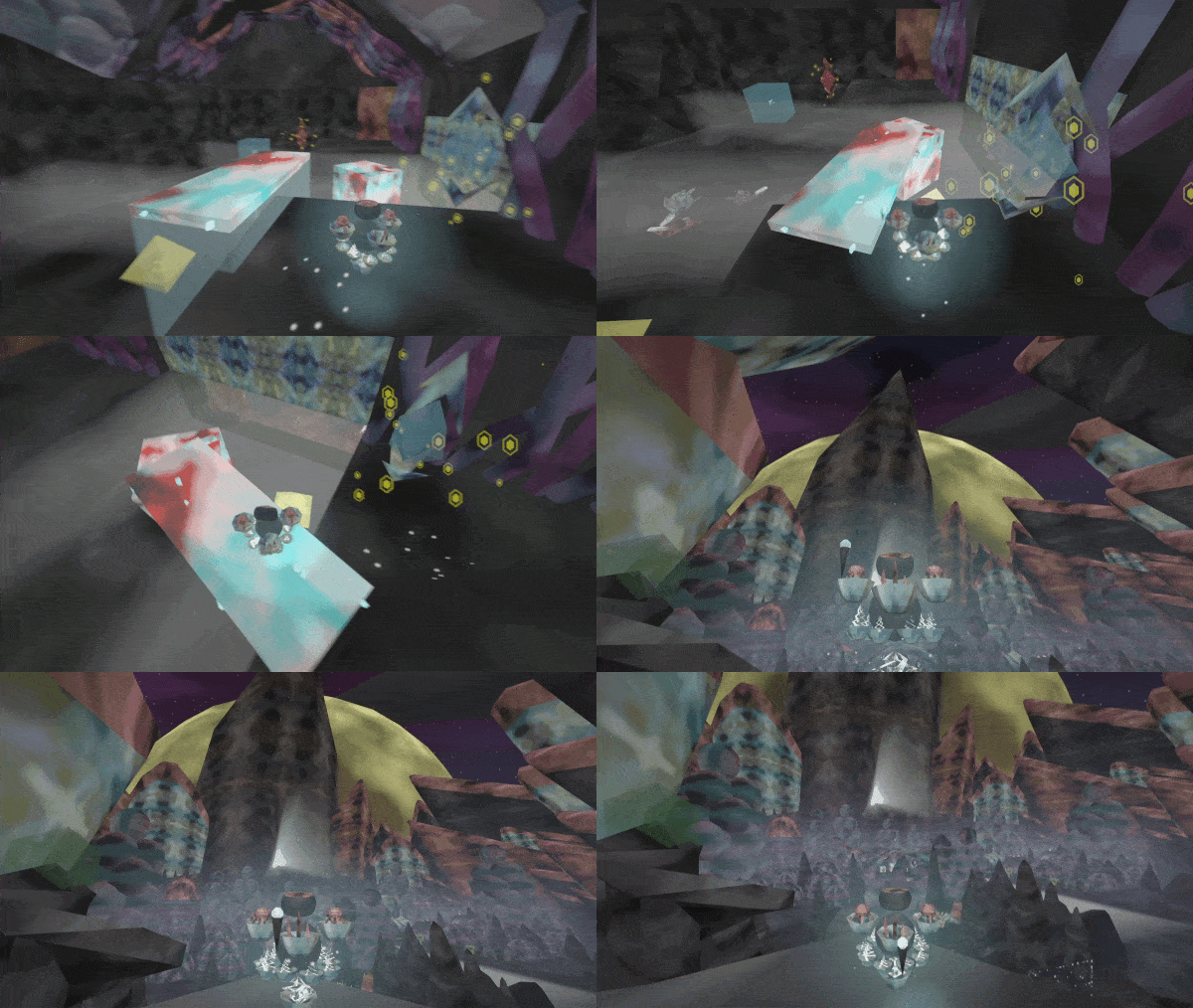
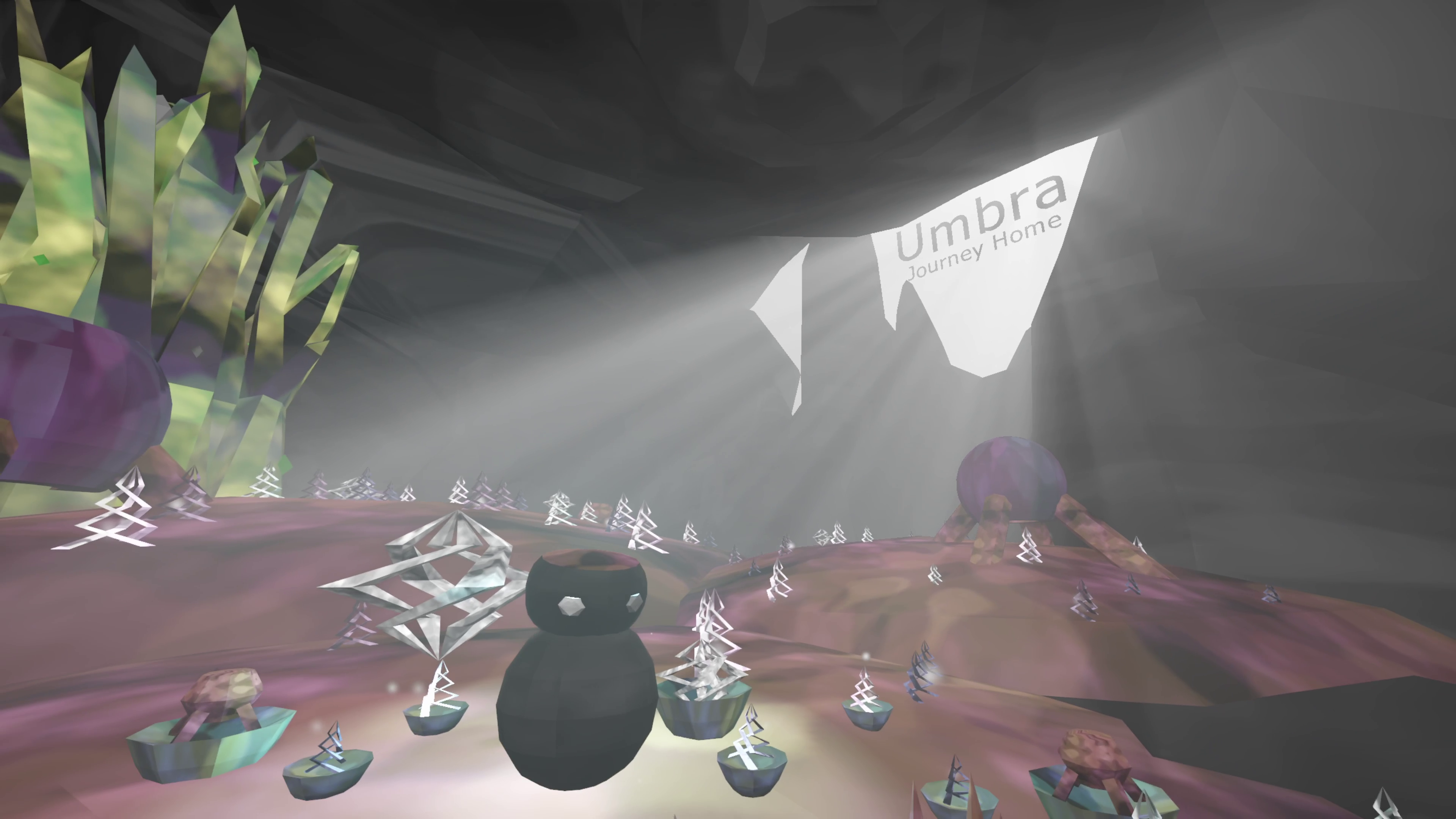
Umbra: Journey Home is a single-player, mysterious, 3D puzzle adventure game. It is my first solo shipped game, made in Unity for PC.
You play a floating stone creature. When you enter light you lose control of your movement. By using what’s in your environment, you can make shadows to progress.
Table of Contents
Achievements
- Designed and developed 25 puzzles.
- Created 5 distinct linear levels with environmental storytelling.
- Created all assets including the procedurally generated customisable texture.
- Made 43 animated cutscenes & sequences.
- Created a 3rd person character that can move objects.
- Collaborated with a musician in a fully online setting.
Project Objectives
Everything had to come back to being a puzzle, something unusual, something to solve.
- Puzzle Gameplay – Have players think about the relationship of lights and shadows while using spatial skills.
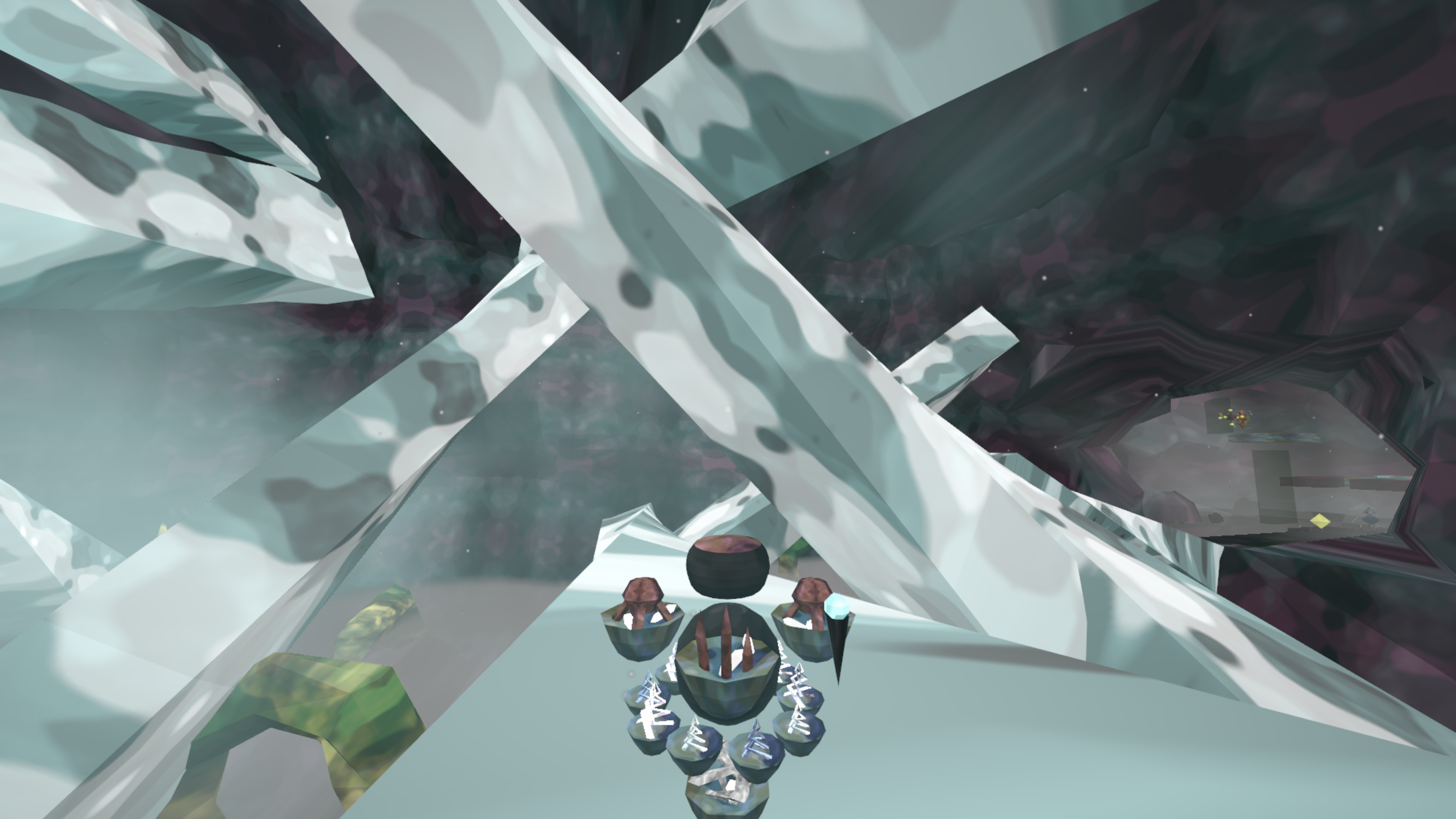
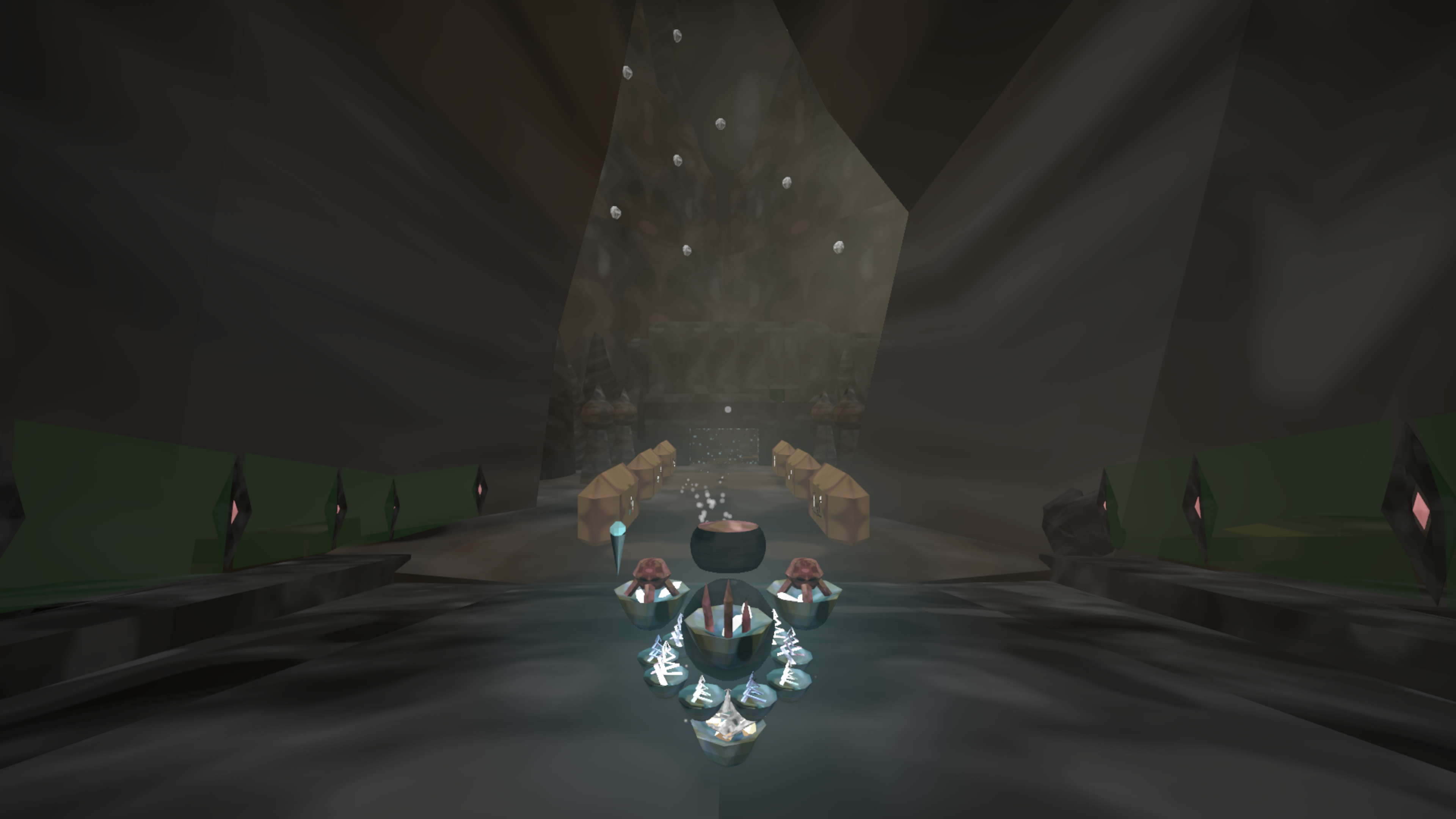
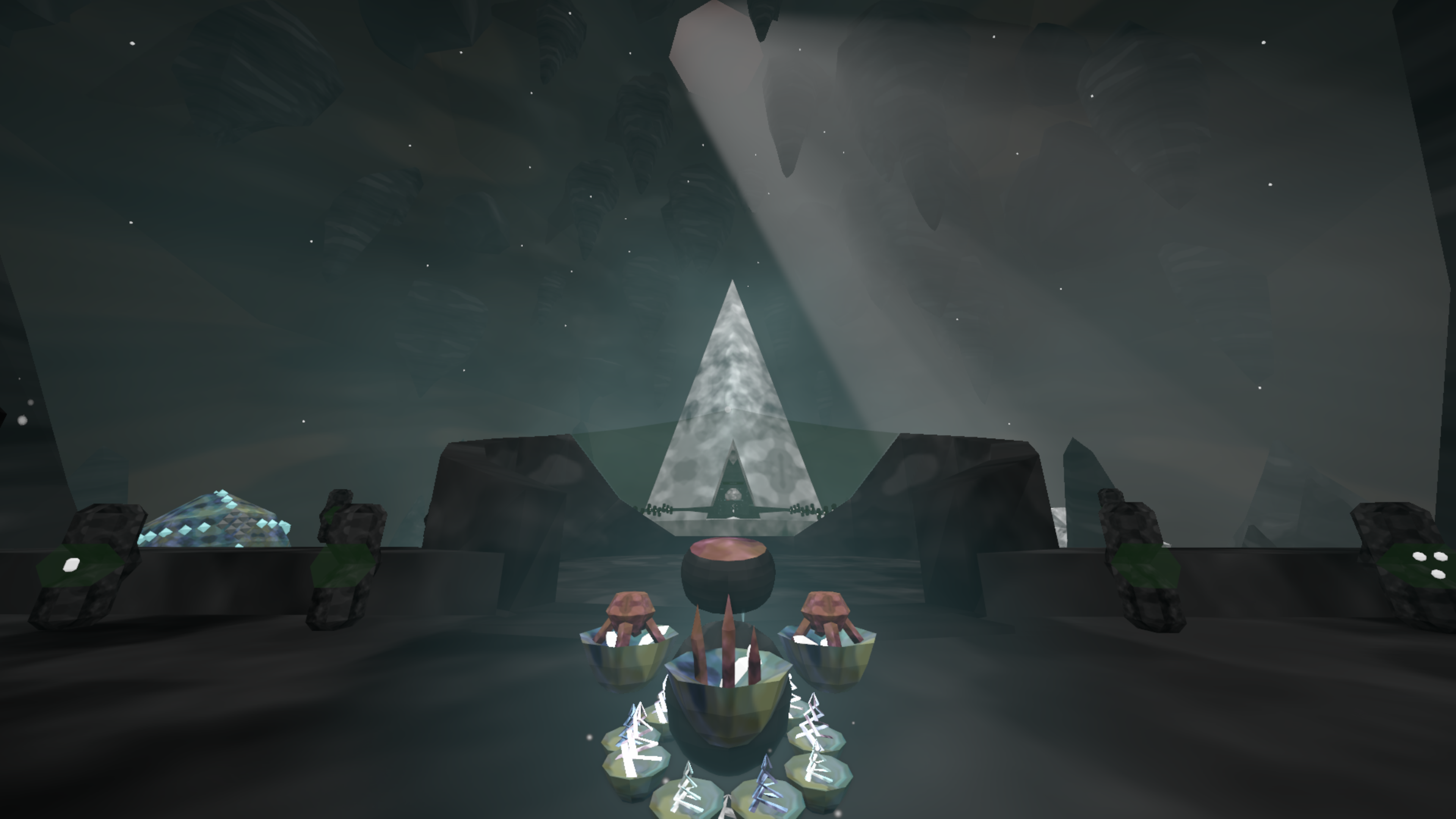
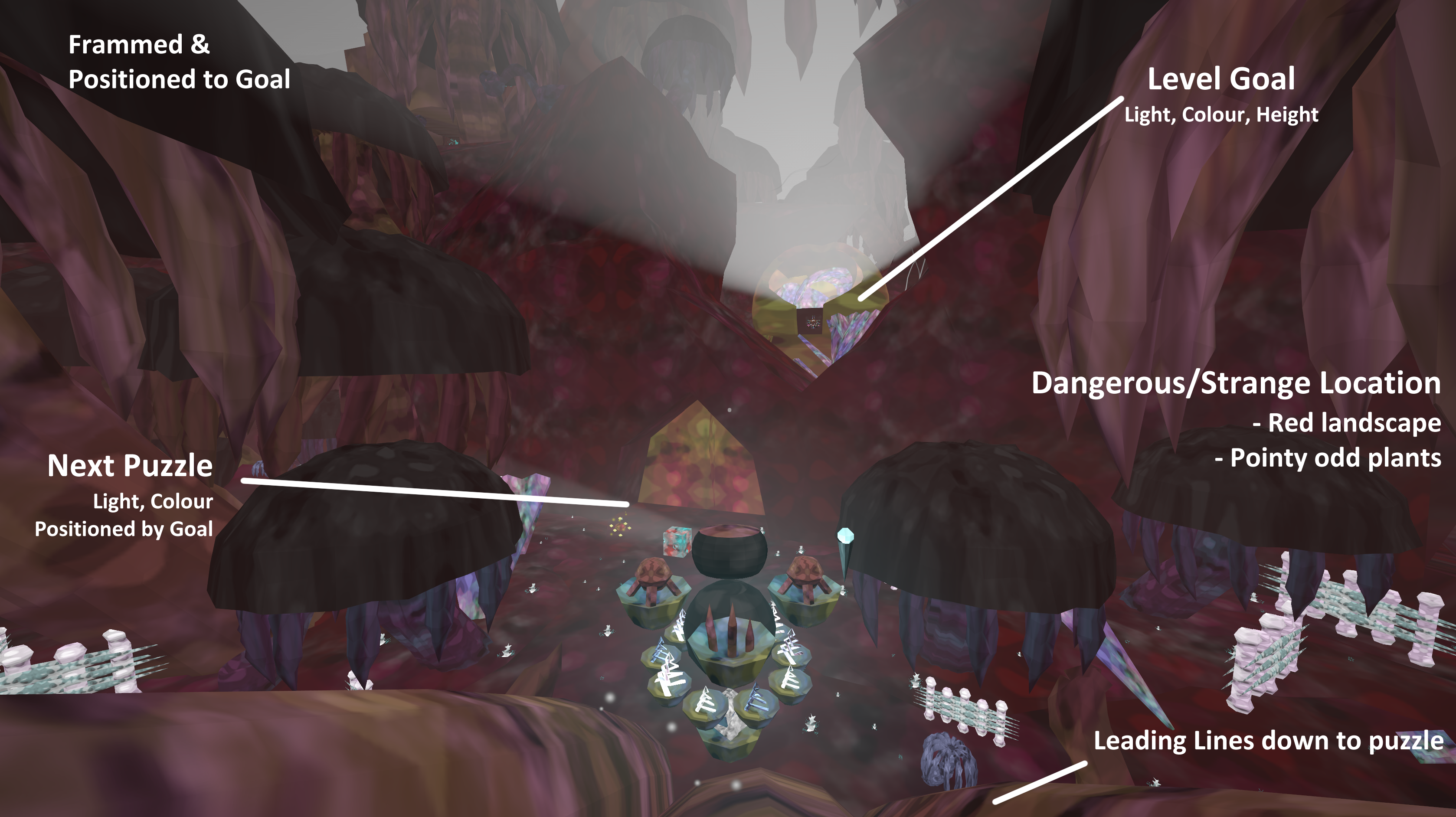
- Fantasy Level Design – Depict an unusual fantasy world through a linear game.
- Mysterious Narrative – Have players guessing and piecing together the narrative throughout the journey.
Level Design
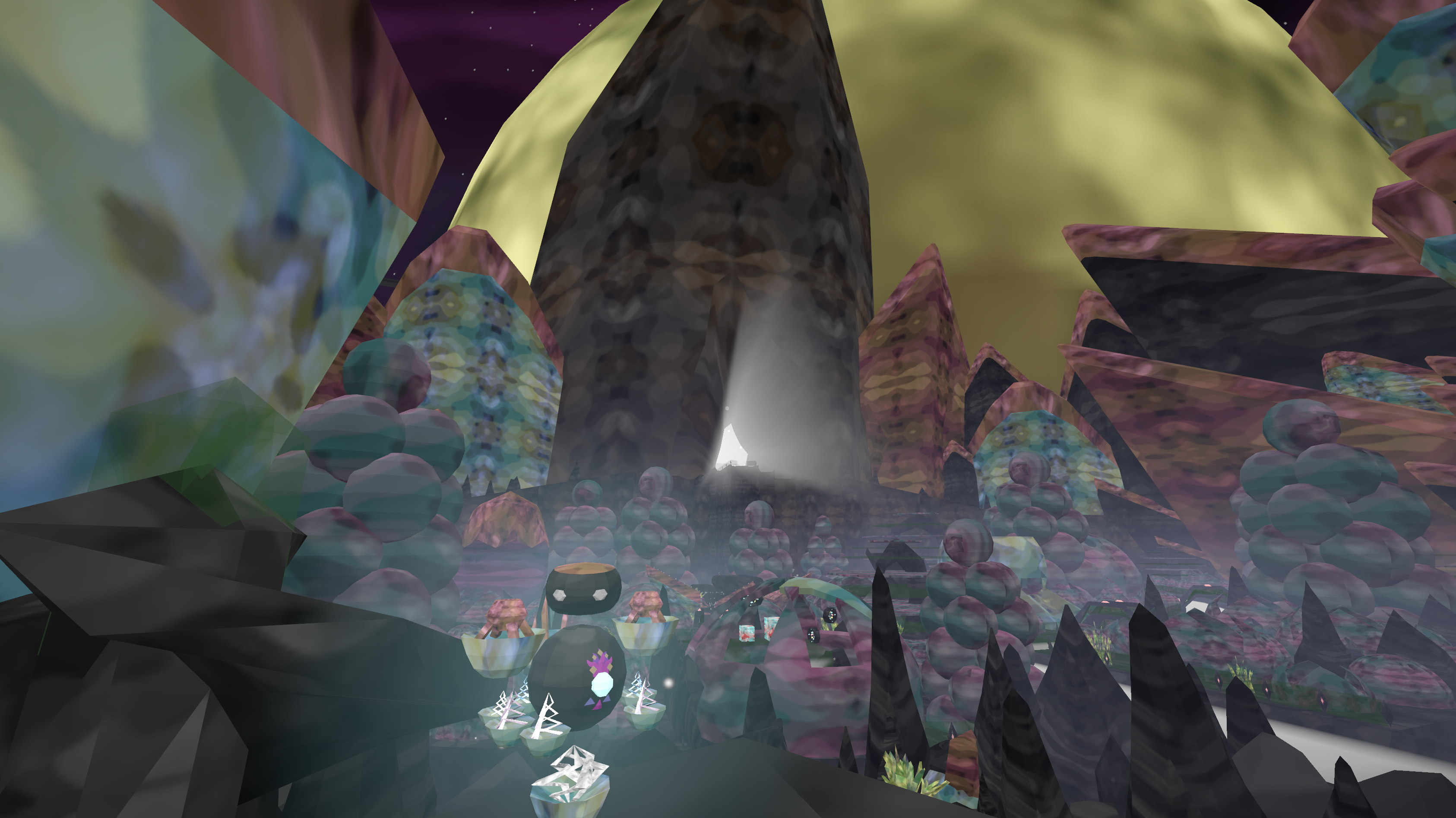
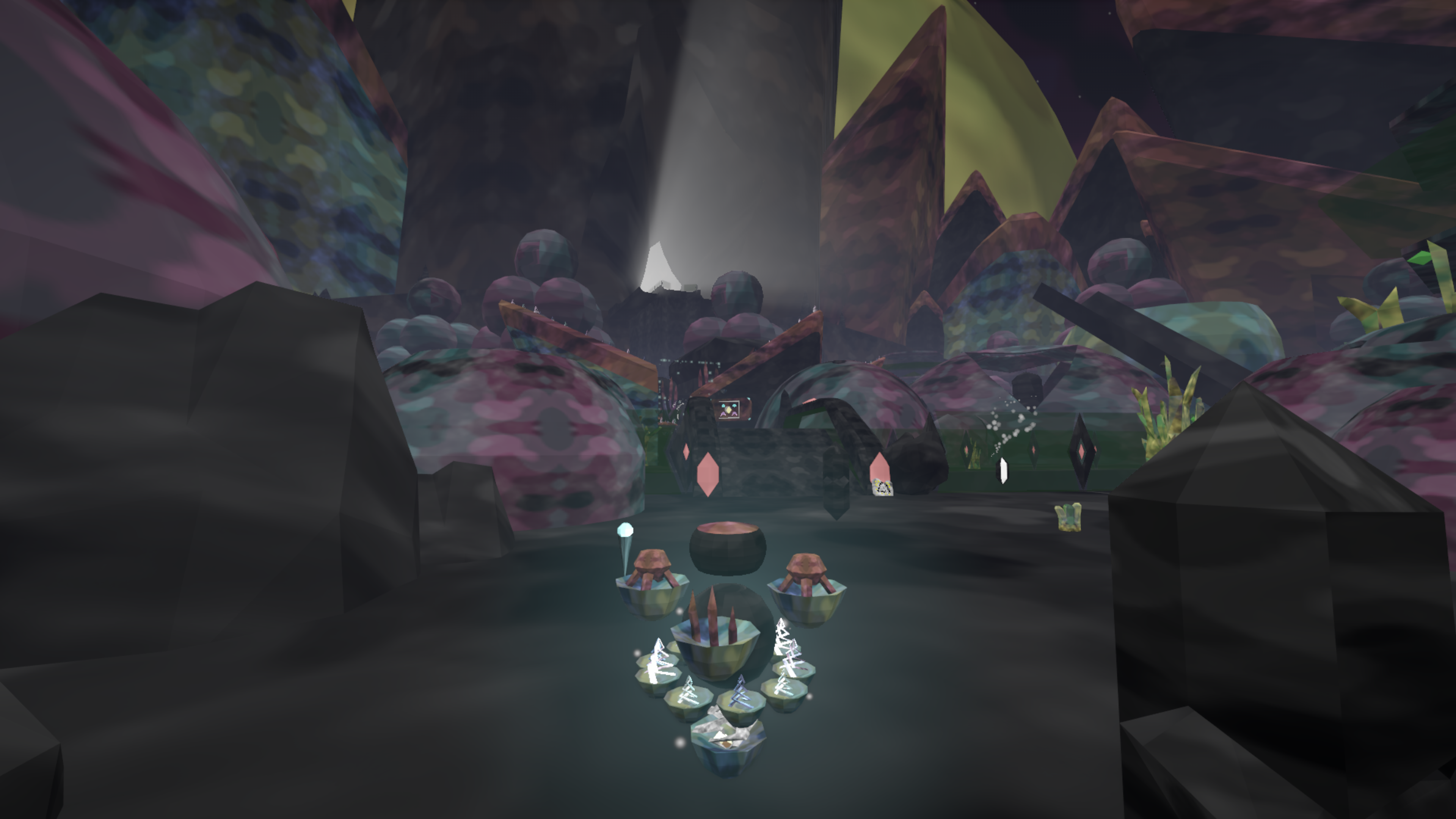
Weaved level design elements, environmental storytelling and unique aesthetics to create a linear fantasy game.
Puzzle Design
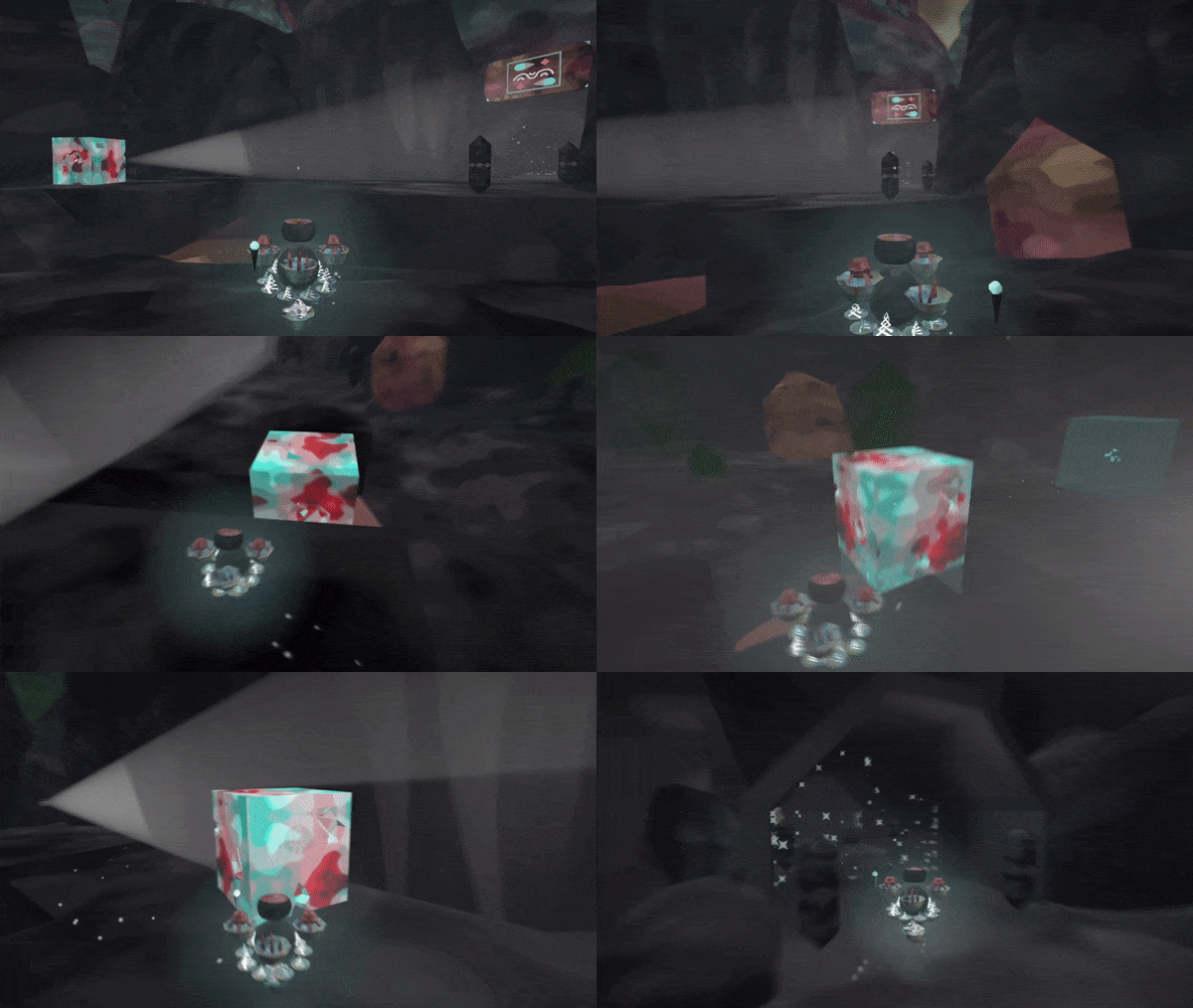
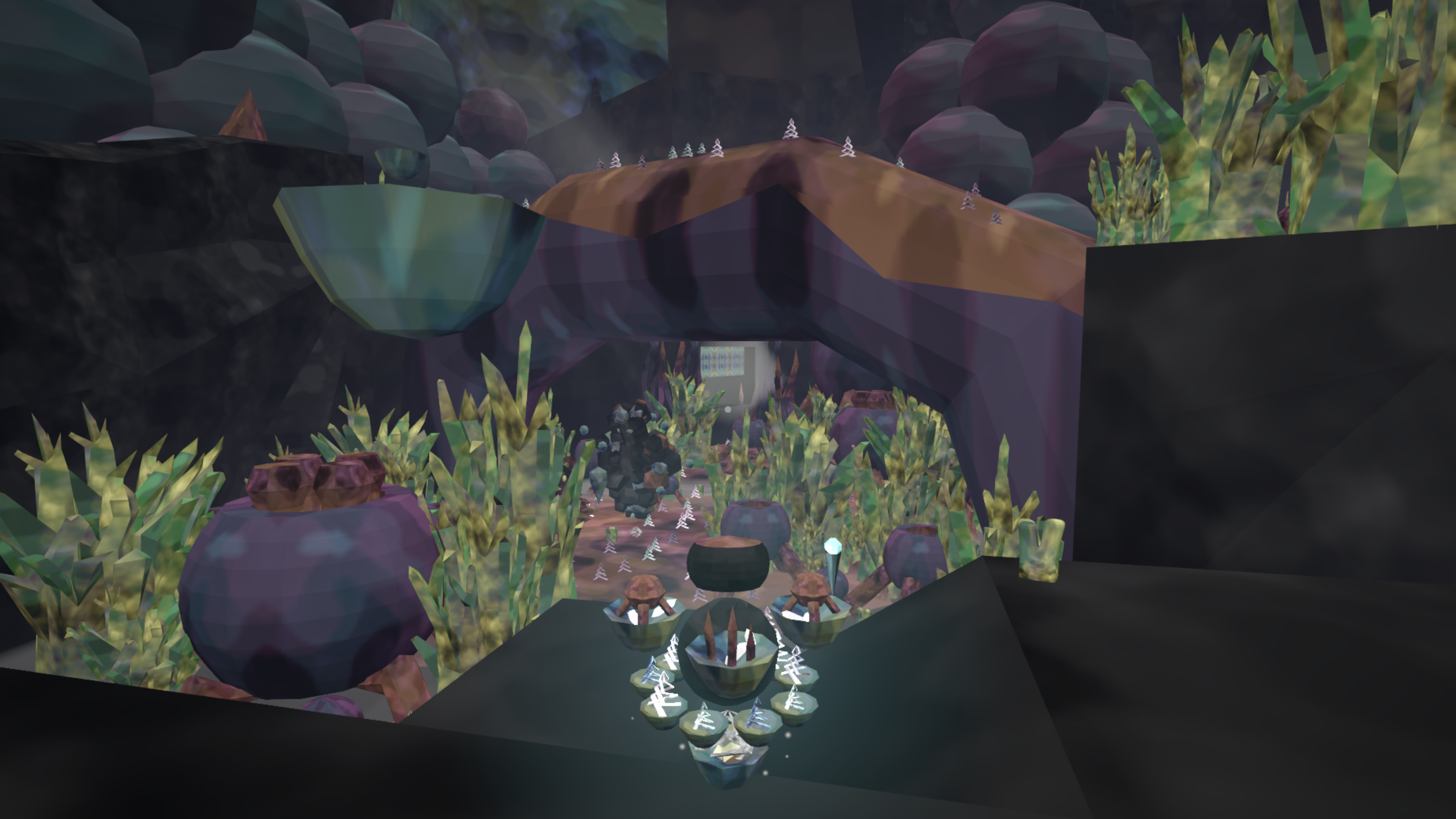
Puzzle 4 ‘Mine’
Each puzzle was broken down to determine difficulty and gauge flow (below is puzzle 4’s).
| Puzzle | # Steps to Completion | # Shortest Possible Steps | #Solution Variants | # Pre Planning | # Reuse Pieces | # New Concepts | Notes | |
| 4. Mine | 4 | 4 | 0 | 0 | 1 | 1. Objects can be stood on | Combining all basic elements for first time. Lights, shadows, object movement. |
Systems
Light control
Detects when the player is exposed to light and controls movement to a designated pathnode.
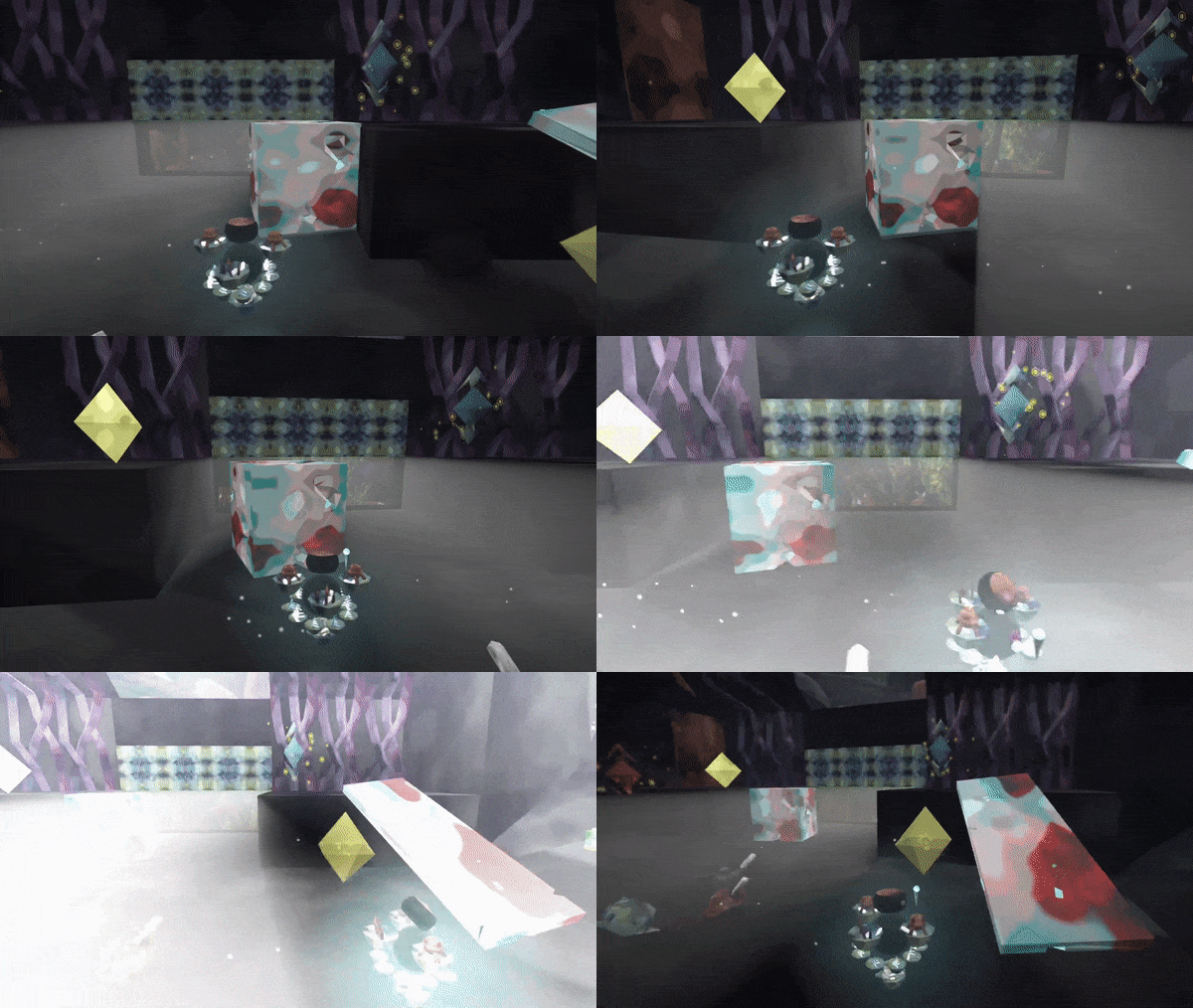
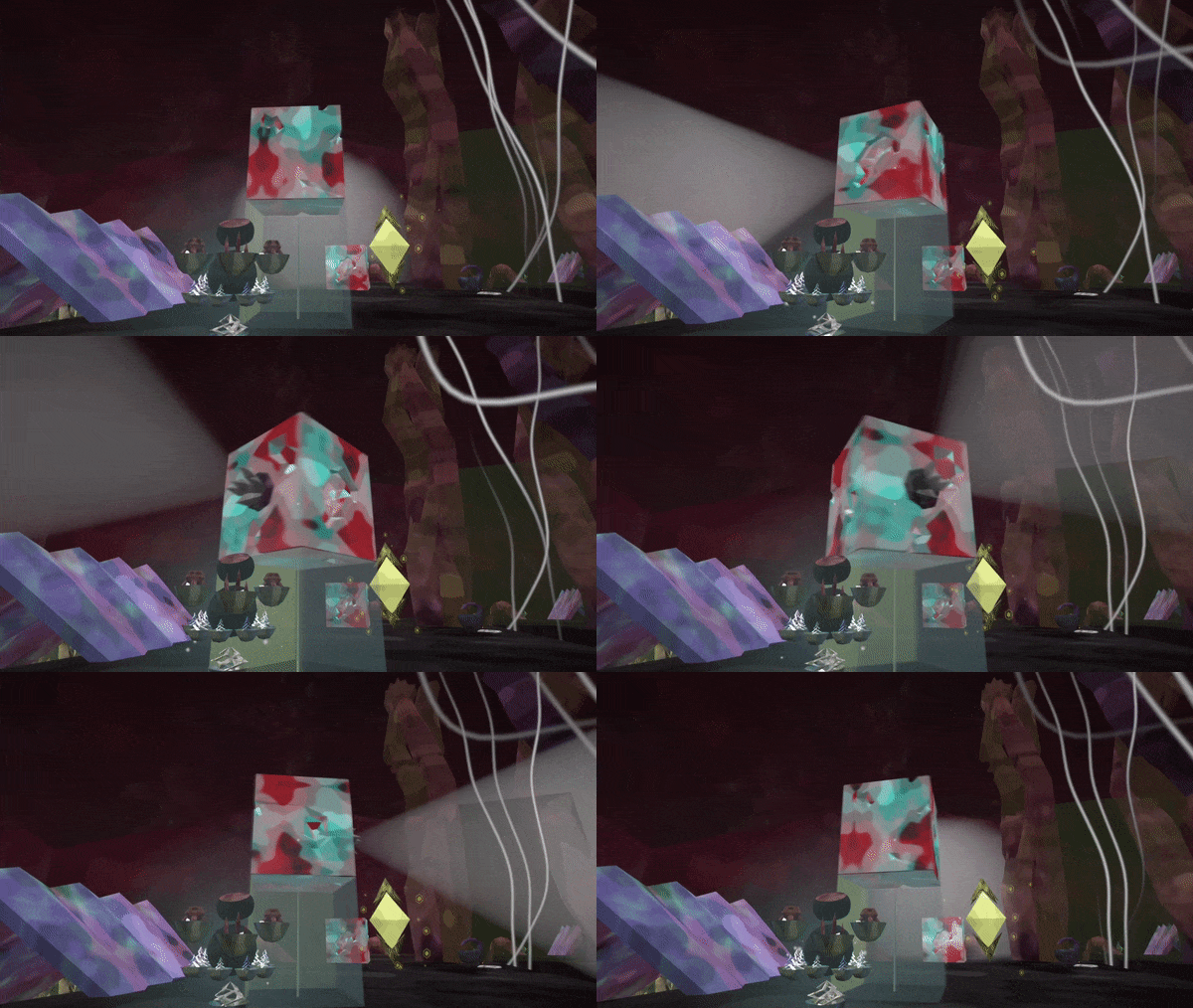
Interacting with blocks
Special coloured, physics based, objects can be moved, rotated, pushed and pulled. Blue dropdown highlights are added underneath to help positioning.
Sliding Objects
Colour coded objects can be moved to areas. Powered through Energy Crystals or Light Blocks.
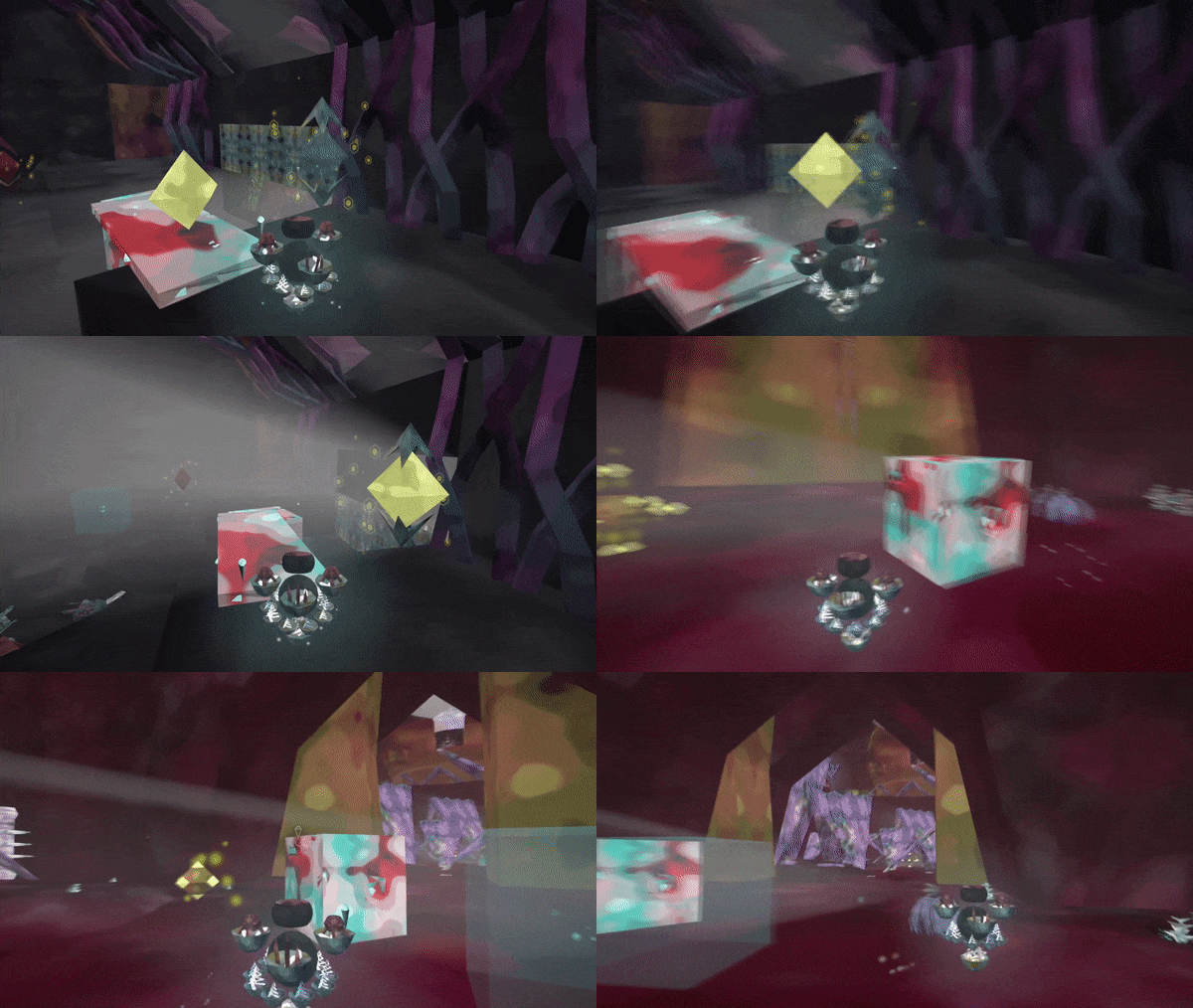
Skip Crystals
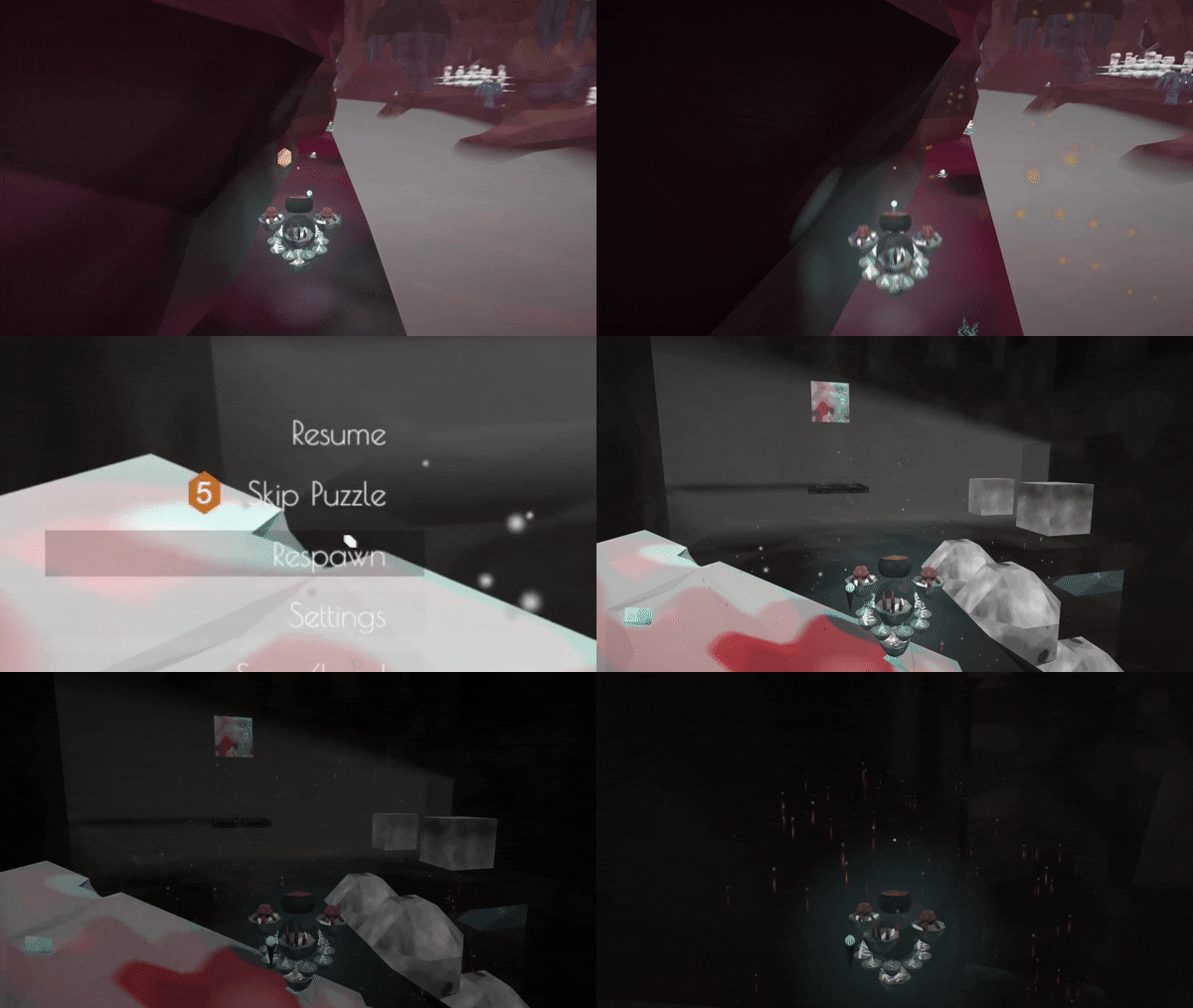
Skip Crystals are hidden collectables that can be consumed to skip a puzzle.
Narrative
Interactive story
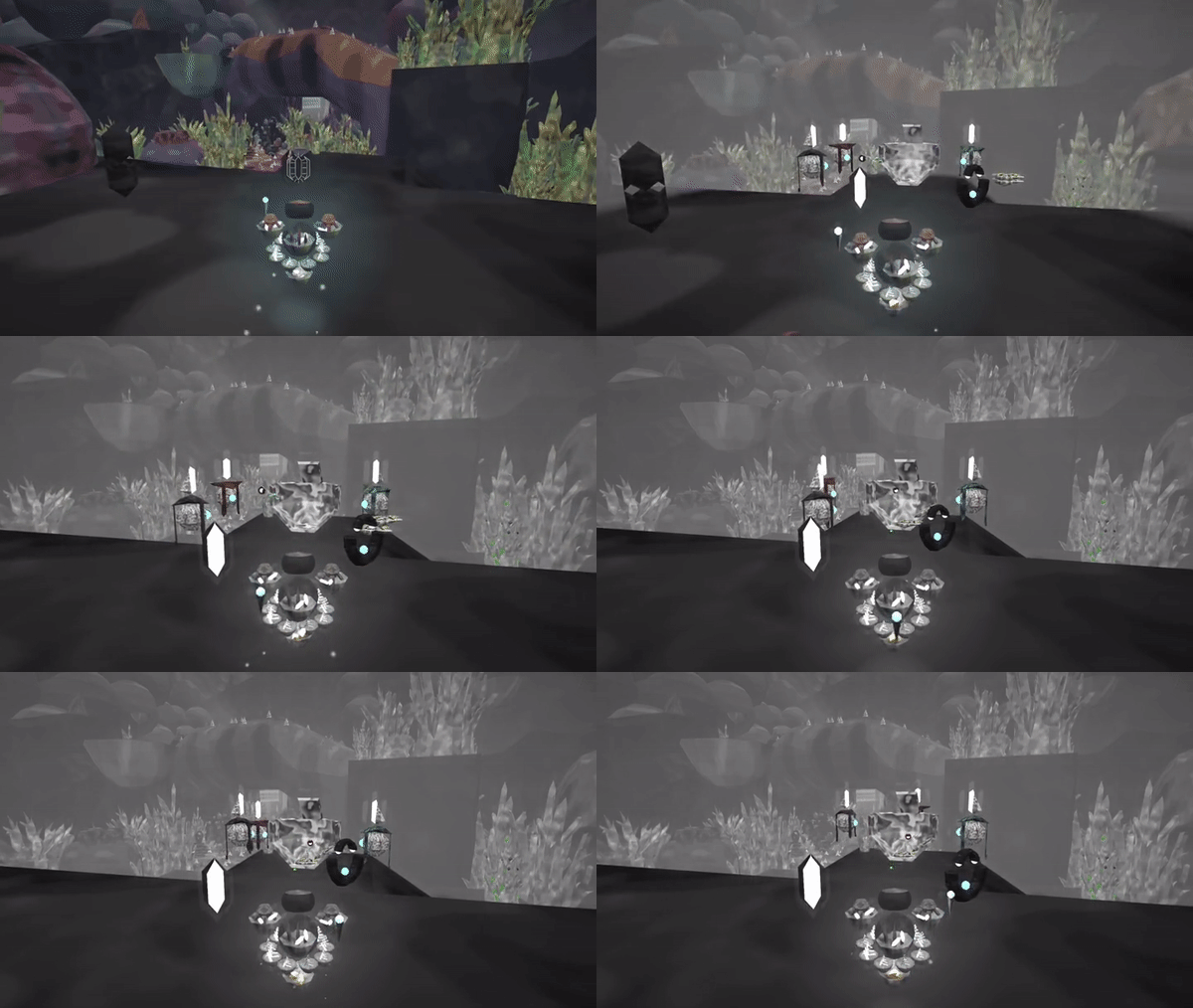
Memory Crystals play an animation of a past event when interacted. 23 Memory Crystals appear throughout the game to reward players and drip feed the story.
Narration
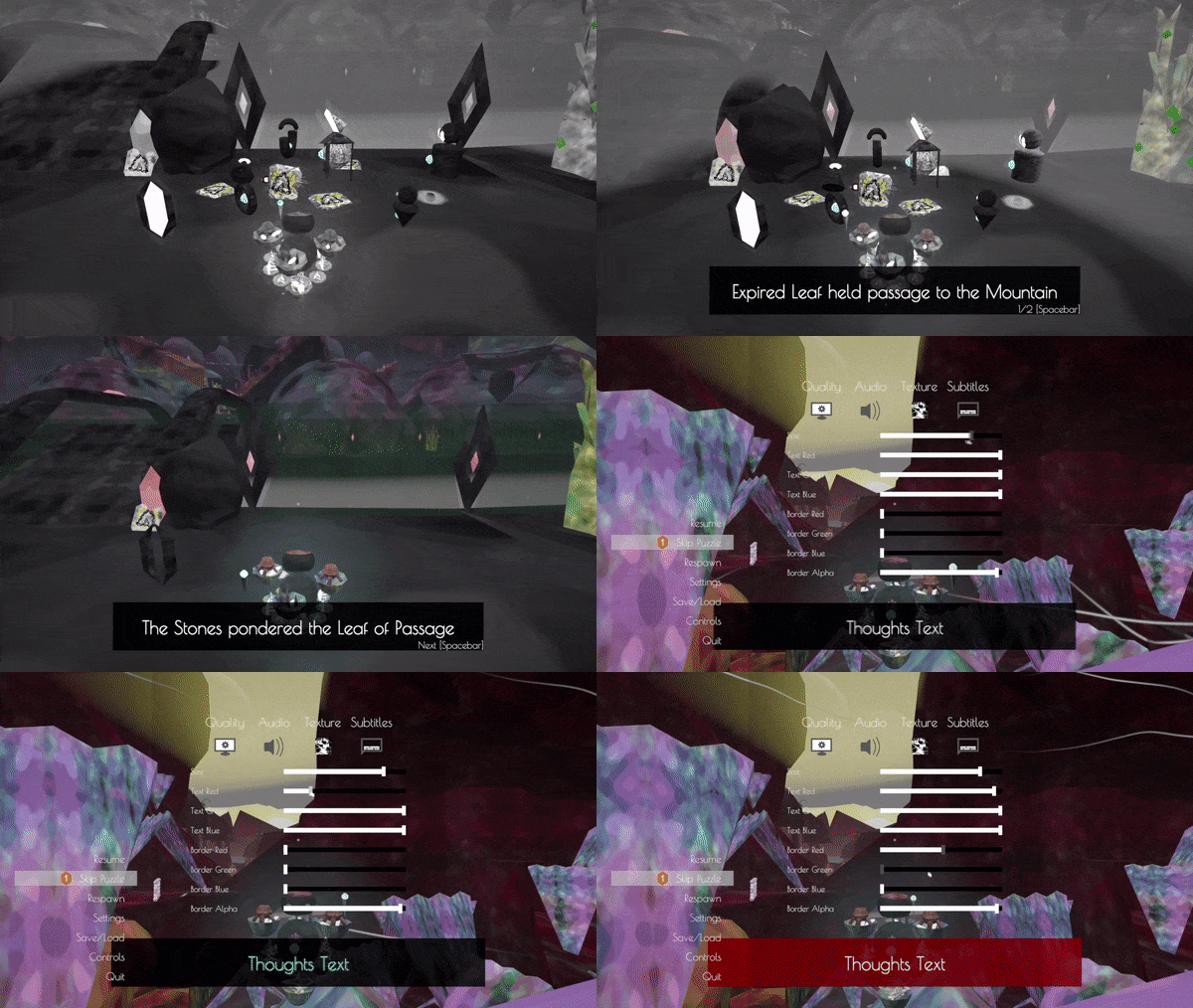
Cryptic subtitle narration could add context or deepen mystery. These are closed captioned with customisable size, transparency, and colour for accessibility.
Procedural Texture
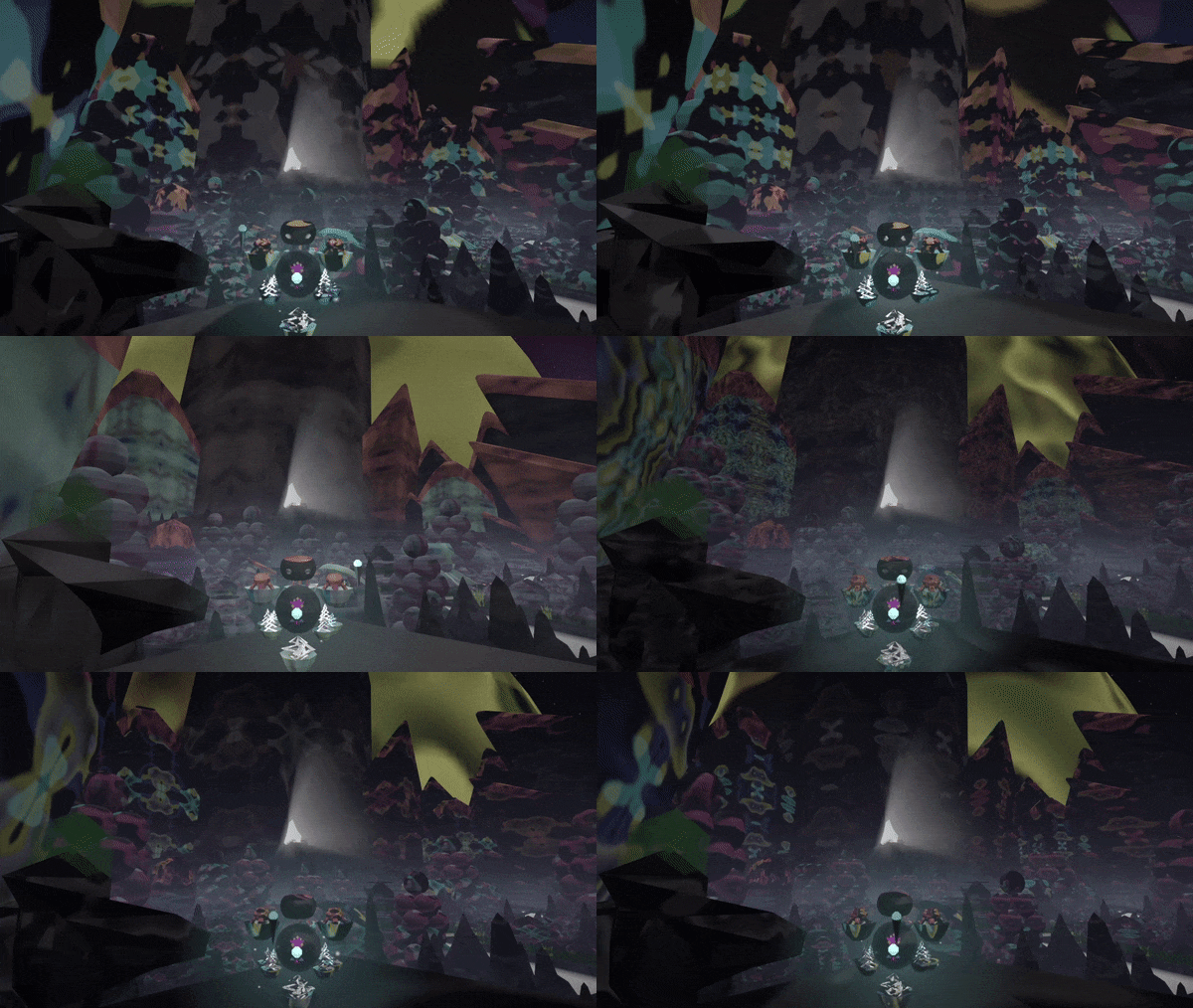
To make the ‘other worldly’ aesthetic, I created a script which procedurally generates a ‘moving’ texture. This can be altered in the player’s settings to change the shapes, speed and quality of the texture.
Reception
A few let’s players and streamers covered Umbra. Parts impacted some players more then others (e.g. narrative, setting and puzzles). One thing unfortunately stood out which was that manipulating objects proved ‘finicky’.
Post Mortem
I faced many challenges, but if I were to do it all again:
- Smaller Scope – I would make it smaller.
- Test Sooner – I would get feedback very early into development (not 2~ years in)
- Distinct Shadow Puzzles – I would have unique shadows rather then just squares.
- Know Audience – I would research more thoroughly.
- Rethink Controls – Players found moving objects finicky, I would redesign it.
Conclusion
I consider Umbra to be a huge learning experience in areas like scoping, staying self motivated, and the upkeep it takes to develop a game this size. I have improved my design skills, development skills, time management and confidence with creating a game from start to finish.
Store Links + Demo
 Thomas Wray - Game Designer